
Home › Culture
Chinese Culture for Everyday Connections
Explore Chinese customs with clear context, useful phrases, and room for regional and personal differences.
Quick Answers
Five basics to know before you start.

Is there one set of Chinese customs?
No. Customs vary across regions, families, generations, and situations.

What does a family name tell me?
It identifies the surname, which usually comes before the given name.

Are polite phrases always formal?
No. Choose an expression that fits the relationship and setting.

Is tea only for ceremonies?
Tea can be an everyday drink as well as part of special occasions.

What do festival greetings express?
They share good wishes connected with a celebration or season.
Your Chinese Culture Learning Path
Use these six steps with one clear example.






Six Steps: Visiting a Friend
- Setting: You have been invited to a friend’s home.
- Observe: Notice how the host welcomes you.
- Meaning: Treat the invitation as a chance to connect.
- Phrase: 我需要带什么吗?— Should I bring anything?
- Participate: Ask, listen, and follow your host’s lead.
- Reflect: Thank the host and remember their preferences.
Essential Chinese Culture Guides
Build a foundation with four useful concepts.




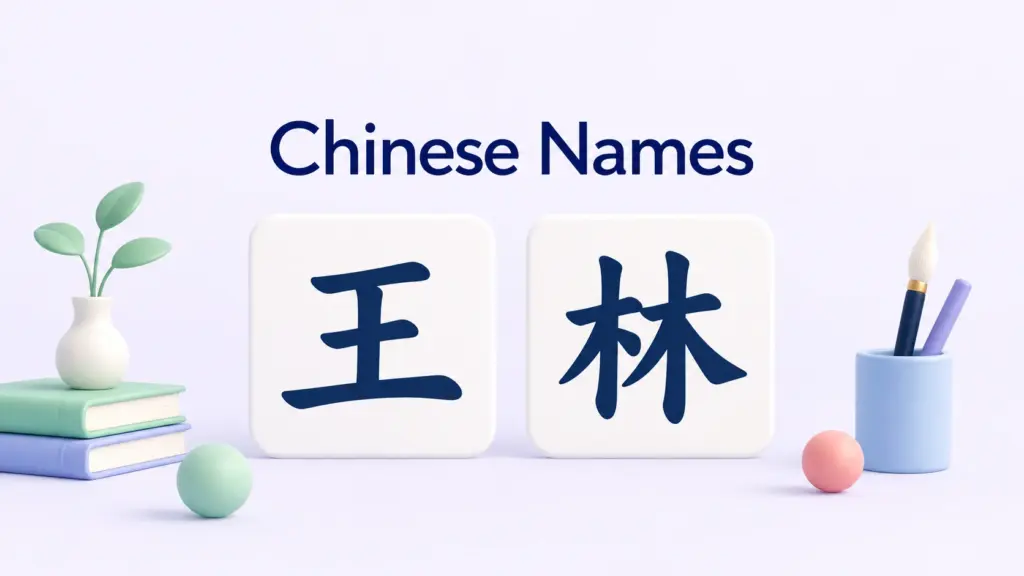
Names & Forms of Address
Chinese names usually put the family name first. 王老师 means Teacher Wang; ask someone how they prefer to be addressed.
Polite Requests
请问… introduces a question politely. Ask 请问,这里可以坐吗?— May I sit here? — rather than guessing whether a seat is available.
Being a Guest
Ask 我需要带什么吗?— Should I bring anything? Confirm arrangements, then follow the host’s lead rather than treating one custom as universal.
Shared Meals
Dining habits vary. Notice how food is shared, ask about preferences, and use 谢谢 to acknowledge your host’s hospitality.
Explore Chinese Culture by Topic
Choose the topic you want to understand next.

Everyday Etiquette
Feel more comfortable in everyday interactions.

Names, Titles & Politeness
Address people with attention to context.

Food, Tea & Markets
Connect through meals, drinks, and shopping.

Gifts, Visits & Business
Navigate thoughtful gestures and introductions.

Festivals & Seasonal Traditions
Understand the meaning behind celebrations.

Expressions & Life Events
Use culturally meaningful words in context.
Featured Culture Topic
Look closely at one useful topic in context.
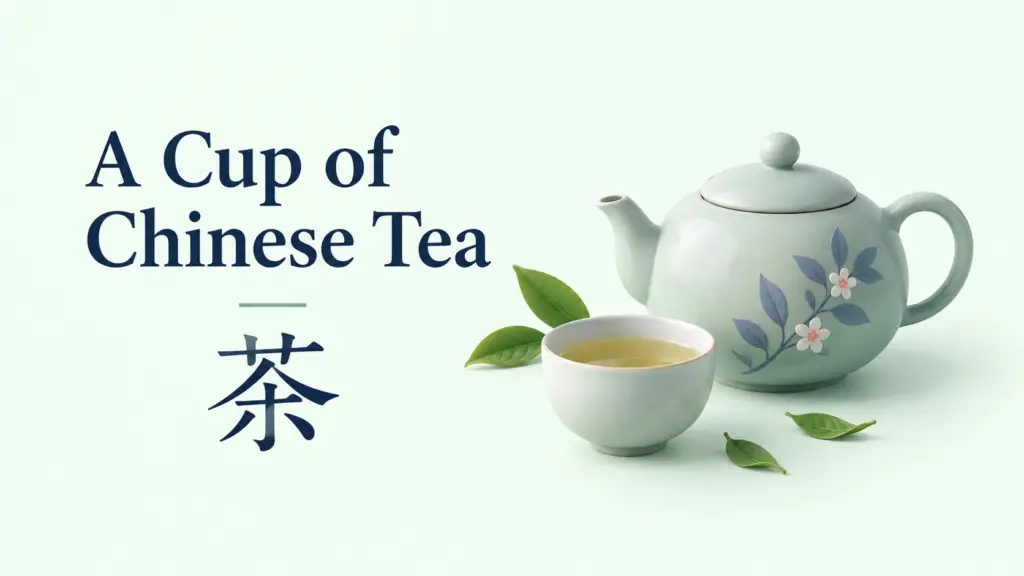
Chinese Tea Culture
Explore tea through everyday hospitality, simple phrases, and the preferences of the people sharing it.
请喝茶
Please have some tea.
谢谢
Thank you.
不用客气
You’re welcome.
Ask about preferences. Tea traditions differ by household, region, and occasion.
Explore the Guide →A Simple Tea Invitation
请喝茶。— Please have some tea.
谢谢。— Thank you.
不用客气。— You’re welcome.These phrases help you participate politely; they do not describe one rule for every household.
Frequently Asked Questions
How can I learn culture without stereotyping?
Look for the setting, the reasons behind a custom, and differences between people. A guide offers context; it cannot describe every person.
What should I do when I am unsure about a custom?
Ask a respectful question and follow the people involved. Checking a preference is often more useful than guessing a rule.
Can I begin without speaking much Chinese?
Yes. Learn a short greeting, request, or thank-you alongside the situation in which you can use it.
How do I choose what to learn before a trip?
Start with situations you expect to encounter: greetings, meals, transport, shopping, and invitations. Add relevant phrases rather than memorizing a long list of customs.
How can I practice with people respectfully?
Ask whether they are comfortable explaining their preferences. Listen to their experience without expecting them to represent everyone.
What if I make a cultural mistake?
Acknowledge the misunderstanding briefly, ask what would work better, and adjust. Being attentive and considerate helps you learn from the situation.
Common Culture Mistakes
Notice habits that can get in the way of progress.
Treating a custom as a universal rule
Notice regional, family, and personal differences.
Translating polite expressions word for word
Learn what an expression does in the conversation.
Assuming formality always means respect
Choose language that fits the relationship and setting.
Guessing what a host expects
Ask politely when a custom is unfamiliar.
Memorizing customs without language
Practice a short phrase you can use in the situation.
Keep Learning
Continue with a focused topic beyond the basics.


Explore Culture with More Confidence
Choose a situation, learn its context, and try one useful phrase.